
Provincial Evaluation of Nurse Prescribing of Opioid Agonist Therapy (OAT)
Ministry of Health, Province of BC
Program Design + Evaluation

The BC Ministry of Health provides leadership and coordination across the province’s mental health and substance-use system. In response to the ongoing toxic drug poisoning deaths, the Ministry implemented nurse prescribing of opioid agonist treatment (OAT) to expand access to evidence-based care for people with opioid use disorder (OUD).
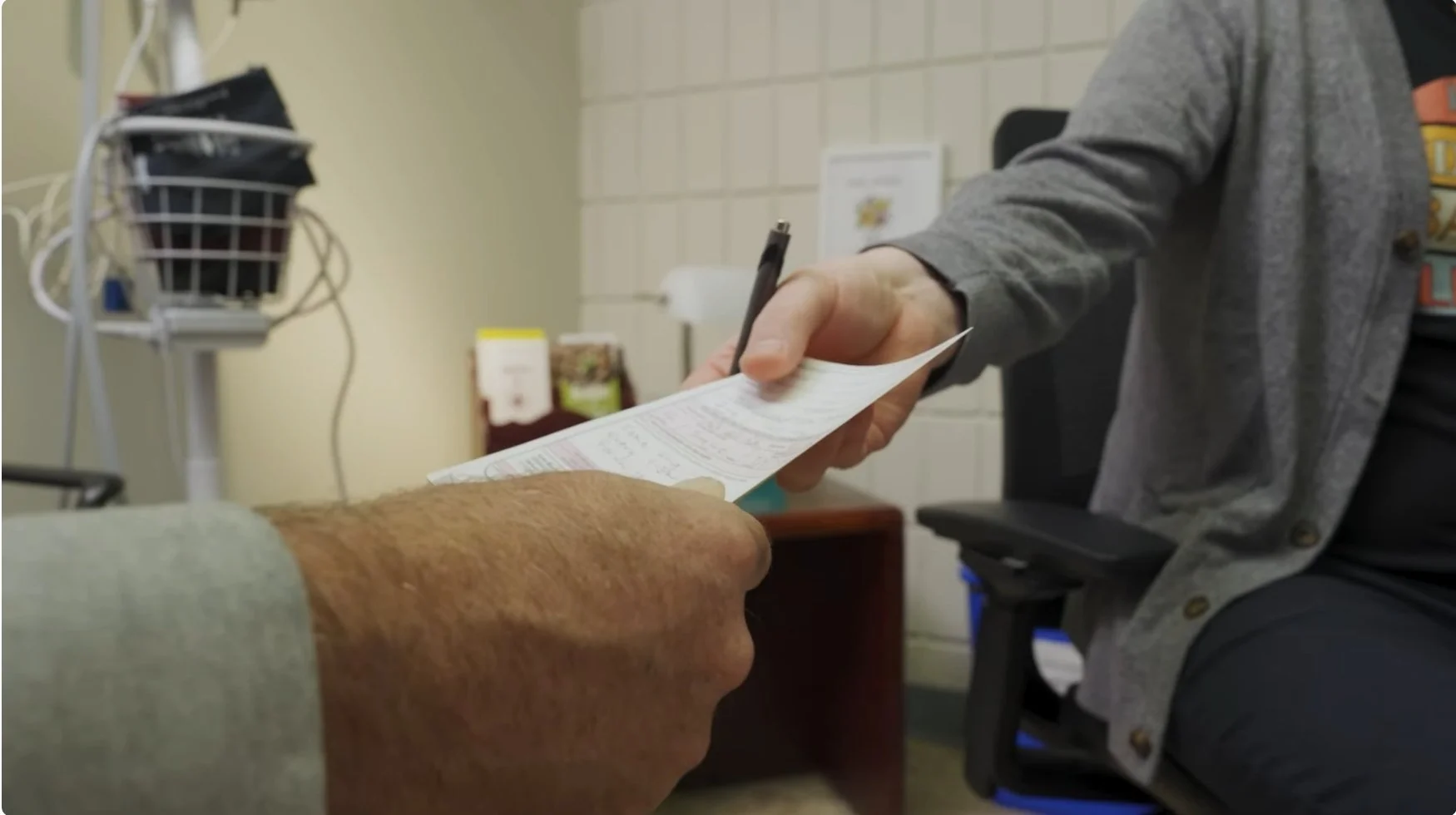
Introduced under the Provincial Health Officer’s order in 2020, this first-in-Canada initiative enabled registered nurses (RNs) and registered psychiatric nurses (RPNs) to prescribe controlled substances to people at risk of overdose. By mid-2023, more than 190 nurses had completed training across all health authorities, marking a major workforce and system transformation in substance use care.
Challenge
As the first initiative of its kind in Canada, nurse prescribing of OAT required coordinated evaluation across multiple health authorities, regulatory bodies, and partner organizations.
The aim was to understand:
How implementation varied across regions and service settings;
Whether the initiative increased equitable access to OAT and strengthened system capacity;
What barriers, facilitators, and workforce dynamics shaped adoption and sustainability; and
How prescribers, care teams, and people receiving care experienced the model in practice.
The Ministry required a comprehensive provincial evaluation capable of integrating diverse data sources (administrative health system, experiential, and contextual) and providing actionable insights to inform future policy refinement and expansion.

Solution
Changemark was engaged to design and lead a province-wide evaluation of the RN/RPN Prescribing Initiative, applying a participatory and mixed-methods approach.
Working in partnership with MMHA, the Ministry of Health, the BC Centre on Substance Use (BCCSU), the First Nations Health Authority (FNHA), and regional health authorities, Changemark ensured that the evaluation reflected both clinical realities and community perspectives, turning complex system change into measurable, actionable evidence.
The project included:
Evaluation Design + Methodology
Co-development of a provincial evaluation plan, logic model, and framework aligned with MMHA’s policy goals and health-system transformation priorities
Integration of mixed-methods approaches, combining quantitative analysis, qualitative inquiry, and administrative health systems data to assess implementation and outcomes
Incorporation of Indigenous-led methodologies consistent with OCAP® and Two-Eyed Seeing principles, ensuring cultural relevance and data sovereignty
Implementation + Engagement
Creation of governance structures to connect the Ministry, health authorities, and partners across evaluation, implementation, and steering committees
Coordination of data collection and analysis across all five health authorities, including interviews, surveys, and site-level case studies
Preparation of interim and final evaluation reports, including evidence briefs, progress updates, and actionable policy recommendations
Development of knowledge-translation materials and presentations to ensure accessibility and uptake among diverse stakeholders
Results
Changemark delivered a comprehensive provincial evaluation and ongoing monitoring framework for nurse prescribing implementation and outcomes.
Impact Highlights:
Provided evidence to refine policy and strengthen site readiness across all health authorities
Informed the transition to OUD Certified Practice for RNs and RPNs in 2023
Demonstrated that nurse prescribing expanded access to OAT, improved continuity of care, and reduced stigma within interdisciplinary teams
Enhanced provincial alignment among stakeholders and standardized methods for evaluating system-level innovations
Through this partnership, the evaluation became a blueprint for evidence-driven policy and workforce transformation, helping British Columbia advance a compassionate, effective, and scalable approach to substance-use care.
Interested in Learning More?
Let’s talk about how we can help you evaluate large-scale system transformation with precision, partnership, and impact.